What Should You Pay Attention to When Choosing Sunscreen?
İçindekiler
- How to Choose the Right Sunscreen SPF Level?
- Choosing Sunscreen According to Different Skin Types
- What Should You Pay Attention to in Sunscreen Ingredients?
- Important Information About Sunscreen Use
- Sunscreen and Water Resistance
- How to Determine When to Reapply Sunscreen
- Sunscreen and Allergy Risks
- Eco-Friendly Sunscreen Choices
- Benefits and Importance of Using Sunscreen
- Frequently Asked Questions

Using sunscreen is essential to protect the skin from the harmful effects of the sun. When choosing a sunscreen, factors such as SPF level, skin type, ingredients, and water resistance should be considered. It is also important to be informed about the benefits of using sunscreen and potential allergy risks. By choosing the right product, you can protect your skin from the sun’s harmful effects and achieve healthy tanning.
How to Choose the Right Sunscreen SPF Level?
The SPF level is very important when choosing a sunscreen. Selecting the correct SPF based on your skin type, duration of sun exposure, and the season will help protect your skin from the sun’s harmful effects.
Here are the points to consider when choosing a sunscreen SPF level:
Consider your skin type:
For normal skin, SPF 15–30 is sufficient; for sensitive skin, SPF 30–50 is recommended; and for very fair and sensitive skin, SPF 50+ should be preferred.
Evaluate your sun exposure duration:
If you will be exposed to the sun for long periods, you should choose sunscreens with a higher SPF.
Choose according to the season:
While high-SPF sunscreens are recommended in summer, SPF 15–30 is generally sufficient during winter.
Special preferences for sports or water activities:
Water- and sweat-resistant sunscreens provide effective protection during water sports or heavy sweating.
By considering these factors, you can choose the right SPF level and protect your skin from the sun’s harmful effects. Remember, regular sunscreen use is crucial for maintaining healthy skin.
Choosing Sunscreen According to Different Skin Types
When choosing sunscreen, it is important to consider your skin type. Here is what to look for based on different skin types:
Dry Skin:
If you have dry skin, choose sunscreens with intense moisturizing properties. Products containing nourishing ingredients such as argan oil and shea butter are ideal for dry skin.
Oily Skin:
If you have oily skin, opt for lightweight, water-based formulations with a mattifying effect. Products labeled “non-comedogenic” are suitable as they do not clog pores.
Sensitive Skin:
For sensitive skin, sunscreens that are fragrance-free, alcohol-free, and contain mineral filters are more suitable. A higher SPF also provides extra protection for sensitive skin.
By choosing a sunscreen suitable for your skin type, you can protect your skin from the sun’s harmful effects and help prevent issues such as sunspots and premature aging.
What Should You Pay Attention to in Sunscreen Ingredients?
Paying attention to ingredients when purchasing sunscreen is important for skin health. Here are the key points to consider:
SPF Level:
Choosing the appropriate SPF level based on your skin’s needs is essential for effective protection.
Physical or Chemical Filters:
Check whether the sunscreen contains physical filters (zinc oxide, titanium dioxide) that reflect UV rays, or chemical filters (oxybenzone, avobenzone) that absorb UV radiation.
Parabens and Chemical Additives:
Whenever possible, choose sunscreens free from parabens and harmful chemical additives. Products formulated with natural ingredients help protect the skin while avoiding unnecessary chemicals.
By considering these ingredients, you can choose a quality sunscreen that effectively protects your skin.
Important Information About Sunscreen Use
There are several important points to keep in mind when using sunscreen to maximize its effectiveness:
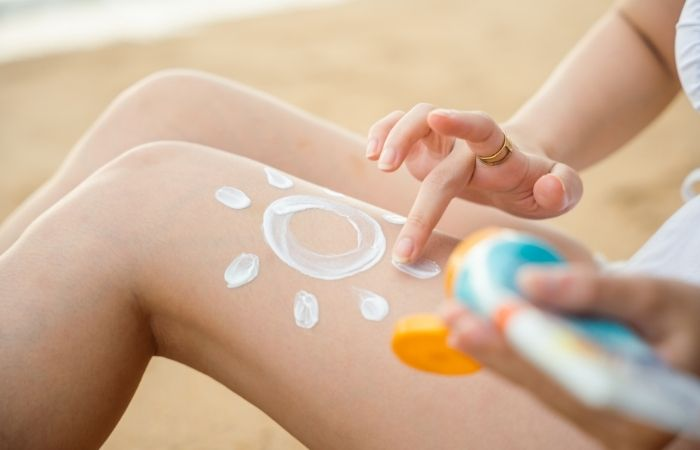
Clean and moisturize your skin before applying sunscreen. Moisturized skin absorbs sunscreen more effectively.
Apply sunscreen at least 30 minutes before sun exposure to allow it to form a protective layer.
Reapply sunscreen every 2 hours. This interval may be shorter if you sweat, swim, or towel-dry your skin.
Use an adequate amount of sunscreen to ensure effective protection.
Choose water-resistant sunscreens to reduce the need for frequent reapplication after swimming or sweating.
By following these guidelines, you can better protect your skin from the sun’s harmful effects. Regular and proper use ensures maximum benefit.
Sunscreen and Water Resistance
Water resistance is an important feature to consider when choosing sunscreen. This is especially important for people who engage in water sports or spend time near water. Water-resistant sunscreens are less likely to wash off when exposed to water or sweat, allowing protection to continue.
How to Identify Water Resistance Levels:
Water resistance is determined by how long the sunscreen maintains protection while submerged in water. For example, a sunscreen labeled “water-resistant” can maintain its protective effect for up to 40 minutes in water.
Even with water-resistant sunscreens, reapplication may be necessary after sweating heavily or towel-drying.
Considering water resistance when choosing sunscreen helps ensure long-lasting and effective protection.
How to Determine When to Reapply Sunscreen
Several factors should be considered when determining sunscreen reapplication time. Apply sunscreen generously 20–30 minutes before sun exposure. To maintain protection, regular reapplication is necessary.
SPF Level:
Higher SPF sunscreens may last longer, but reapplication every two hours is still recommended.
Sweating and Swimming:
Sweating or contact with water reduces effectiveness, requiring more frequent reapplication.
Sun Intensity:
Between 10:00 AM and 4:00 PM, when the sun is strongest, sunscreen should be reapplied more frequently.
Considering these factors helps protect your skin effectively from sun damage.
Sunscreen and Allergy Risks
Allergy risks are an important consideration when choosing sunscreen, especially for individuals with sensitive skin.
To reduce allergy risks:
Choose hypoallergenic products.
Avoid sunscreens containing parabens, alcohol, and artificial fragrances.
Test the product on a small area of skin before full application.
Selecting a sunscreen that suits your skin’s needs helps protect against the sun while ensuring a comfortable and safe experience.
Eco-Friendly Sunscreen Choices
When choosing sunscreen, it is important to consider not only skin health but also environmental impact. Some sunscreen ingredients can harm marine ecosystems, especially coral reefs.
Key features of eco-friendly sunscreens include:
Physical Filters:
Sunscreens with zinc oxide or titanium dioxide are less harmful to the environment.
Organic and Natural Ingredients:
Products made with organic and natural ingredients are gentler on both skin and nature.
Reef-Safe:
Avoid sunscreens containing oxybenzone and octinoxate, which can damage coral reefs.
Eco-friendly sunscreens protect your skin while showing respect for the environment.
Benefits and Importance of Using Sunscreen
Sunscreen is a vital product with many benefits for skin health:
Protection Against Skin Cancer:
By blocking harmful UV rays, sunscreen reduces the risk of skin cancer.
Prevention of Premature Aging:
Sunscreen helps prevent wrinkles, sunspots, and sagging caused by sun exposure.
Reducing Skin Tone Irregularities:
Regular use helps maintain an even skin tone and reduces discoloration.
Using sunscreen consistently helps maintain healthy, youthful-looking skin and should be an essential part of daily skincare routines.
Frequently Asked Questions
Which factor should I prioritize when choosing sunscreen?
The SPF (Sun Protection Factor) is important. SPF 30–50 provides effective protection, while higher SPF values offer additional protection.
How do I choose sunscreen suitable for my skin type?
For oily skin, choose lightweight, oil-free formulas. For dry skin, select sunscreens with moisturizing properties.
How often should sunscreen be reapplied?
Apply sunscreen 15–30 minutes before sun exposure and reapply every 2 hours, especially after swimming, sweating, or towel-drying.
What is the shelf life of sunscreen?
Sunscreens are generally recommended to be used within 2–3 years. Always check the PAO symbol and expiration date on the packaging.