
Contract Cosmetic Manufacturing Process.
İçindekiler
- Production Stage Details
- Necessary Materials for Contract Cosmetic Manufacturing
- Quality Control Process
- Advantages of Contract Cosmetic Manufacturing
- Eco-Friendly Approaches in the Production Process
- How to Ensure Collaboration in Contract Cosmetic Manufacturing?
- Contract Cosmetic Manufacturing and Consumer Safety
- Brand Customization and Packaging Options
- Cost Management in Contract Cosmetic Manufacturing
- Trends and Innovations in Contract Cosmetic Manufacturing
- Frequently Asked Questions
The contract cosmetic manufacturing process holds an important place in the cosmetics sector. Production stage details, use of necessary materials, the quality control process, and eco-friendly approaches are integral parts of the contract cosmetic manufacturing process. Brand customization, packaging options, and consumer safety must also be considered in this process. Additionally, ensuring collaboration, cost management, trends, and innovations are important topics. In this article, we will discuss all details of the contract cosmetic manufacturing process.
Production Stage Details
The contract cosmetic manufacturing process consists of several basic stages, and following each step correctly is quite important in terms of product quality. Here are the details of the contract cosmetic manufacturing process:
Product Design and Formulation: The first step is the creation of product design and formulation in line with the customer's wishes. At this stage, product features are determined by establishing close communication with the customer.
Material Procurement: Following the determination of the formulation, the production process begins with the procurement of necessary materials. Selecting quality raw materials is an important factor affecting the final quality of the product.
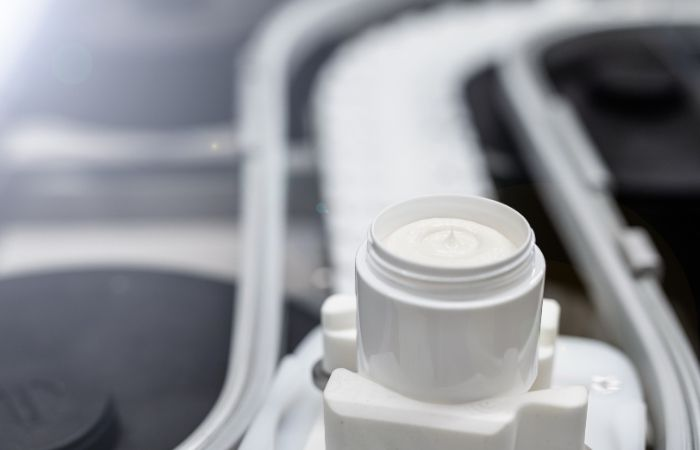
Production and Packaging: After the preparation of the formulation and materials, the production process begins. At this stage, products are produced under suitable conditions and packaged with optionally customizable packaging.
The contract cosmetic manufacturing process can be completed successfully with correct planning, quality materials, and careful production steps. Meticulously managing every stage in this process ensures that high-quality cosmetic products emerge as a result.
Necessary Materials for Contract Cosmetic Manufacturing
Using the right materials is quite important to obtain quality products in the contract cosmetic manufacturing process. The basic materials necessary for contract cosmetic manufacturing are:
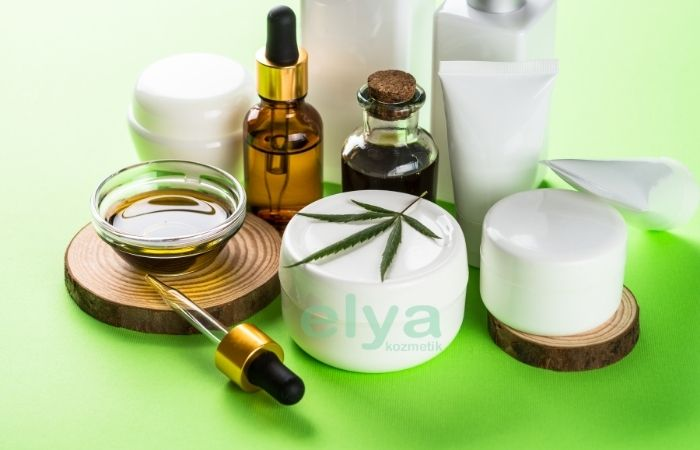
Raw Materials: Natural or synthetic raw materials to be used in contract cosmetic production play a key role in determining the quality of the product. These materials include oils, essential oils, natural extracts, preservatives, and colorants.
Packaging Materials: Bottles, boxes, tubes, labels, and packaging materials are required for packaging the products. Aesthetics and ease of use are important factors in the packaging preference of the product to be presented to the consumer.
Production Equipment: Mixers, tanks, measuring devices, and equipment necessary to ensure the correct amount of material mixture and product quality are of vital importance for contract cosmetic manufacturing.
Procuring these materials from quality, certified, and reliable sources ensures the successful execution of the Contract Cosmetic Manufacturing Process. At this stage, preferring eco-friendly and natural options in material selection also has great importance in line with today's consumer expectations.
Quality Control Process
In the contract cosmetic manufacturing process, quality control is quite important. The products being suitable for customer expectations and produced in accordance with standards is of critical importance for the brand's reputation and consumer trust. The quality control process involves meticulously tracking products at every stage, starting from raw materials to packaging and shipment. Within the scope of the contract cosmetic manufacturing process, the quality control process includes the following steps:
Input Control: The quality and suitability of raw materials are checked.
Production Process Inspection: The suitability of products to standards is monitored during production stages.
Physical and Chemical Tests: Products are subjected to physical and chemical tests in a laboratory environment to evaluate their compliance with quality criteria.
Packaging Control: Correct packaging of products and the quality of packaging are checked.
Storage and Shipment Control: Preservation of quality is ensured during the storage and shipment processes of the products.
Steps applied meticulously in the quality control process help increase the brand's reliability and customer satisfaction. Throughout the contract cosmetic manufacturing process, quality control ensures that products reach the consumer in a reliable and quality manner.
Advantages of Contract Cosmetic Manufacturing
Contract cosmetic manufacturing brings many advantages. These advantages allow cosmetic brands to take a place in the market competitively and grow. Some advantages offered by the contract cosmetic manufacturing process are:
Expertise and Specialization: Contract manufacturing companies serve with teams specialized in cosmetic production. In this way, brands can focus on their own areas of expertise and do not have to deal with details in the production process.
Cost Efficiency: Contract cosmetic manufacturing generally allows for benefiting from economic and economies of scale. Production made in large batches reduces costs and offers cost efficiency to brands.
Fast Production Process: Contract manufacturing allows products to be launched quickly. In this way, brands can rapidly respond to demand increases or new trends.
Flexibility: Contract manufacturing companies can easily adapt to the changing needs of brands. Flexibility can be provided in cases such as seasonal products, limited-time campaigns, or special requests.
These advantages ensure that brands present cosmetic products to the market in a fast, efficient, and competitive way. The contract cosmetic manufacturing process offers a wide range of benefits to brands with these advantages.
Eco-Friendly Approaches in the Production Process
Adopting eco-friendly approaches in the contract cosmetic manufacturing process is quite important for sustainable production. Thanks to these approaches, it becomes possible to produce without harming the environment. Eco-friendly approaches in the contract cosmetic manufacturing process include:
Eco-Friendly Raw Materials: Preferring organic, natural, and bio-compatible raw materials in the contract cosmetic manufacturing process is an important part of an eco-friendly approach. In this way, the balance of nature is preserved, and biodiversity is supported.
Energy Efficiency: Taking steps towards energy efficiency in production facilities is a critical element for eco-friendly production. Less energy consumption helps reduce carbon emissions and protect natural resources.
Waste Management: Waste management, recycling, and keeping waste under control are important in contract cosmetic production. Preferring recyclable packaging materials and minimizing the amount of waste help reduce negative effects on the environment.
An environmentally sensitive production process shows the brand's commitment to sustainability and environmental awareness. Brands that adopt eco-friendly approaches in the contract cosmetic manufacturing process are met positively by consumers. These approaches contribute positively not only to the environment but also to the brand's reputation.
How to Ensure Collaboration in Contract Cosmetic Manufacturing?
Ensuring collaboration in the contract cosmetic manufacturing process is quite important for successful production. At this point, it is possible to strengthen collaboration by taking the right steps:
Open Communication: Open and regular communication is essential to ensure collaboration at every stage of the production process. Regular meetings and discussions should be organized between both the manufacturing company and the brand owner.
Defined Goals: Clear goals should be determined between the parties, and a common roadmap should be created to reach these goals. This increases mutual understanding and trust.
Flexibility: Being flexible is important to adapt to changing market conditions. Throughout the contract cosmetic manufacturing process, the parties being flexible and able to make quick decisions when necessary is of vital importance for successful collaboration.
Contract Conditions: A detailed contract clearly determines the rights and responsibilities between the parties. This helps the collaboration proceed on solid ground.
Collaboration in the contract cosmetic manufacturing process is a process that needs to be managed carefully to ensure the satisfaction of both parties. In this way, it will be possible for high-quality and successful products to emerge.
Contract Cosmetic Manufacturing and Consumer Safety
In the contract cosmetic manufacturing process, consumer safety is an extremely important issue. In this process, both the manufacturing company and the brand owner company are responsible for the health and safety of consumers. To ensure consumer safety in the contract cosmetic manufacturing process, attention is paid to the following points:
Compliance with Quality Standards: The contract cosmetic manufacturing process must be carried out in accordance with national and international quality standards. Product contents, packaging, and labeling should be arranged according to these standards.
Product Tests and Approvals: Products must be approved in terms of consumer safety by undergoing dermatological tests. These tests are done to determine the effects of products on the skin and their safety.
Content Control and Compliance with Legal Regulations: Product contents must comply with legal regulations and should not contain harmful chemical substances. By acting meticulously in this regard, consumer health is protected.
Consumer safety in the contract cosmetic manufacturing process is the common responsibility of both manufacturing companies and brand owner companies. In this way, the presentation of quality, reliable, and consumer health-appropriate cosmetic products to the market is ensured. The contract cosmetic manufacturing process is carried out meticulously by considering consumer safety.
Brand Customization and Packaging Options
Brand customization and packaging options in the contract cosmetic manufacturing process allow products to differentiate from their competitors. At this stage, manufacturers offer various options to develop products suitable for their customers' wishes and needs. The contract cosmetic manufacturing process allows brands to create their own identities and unique features.
Packaging Options:
The packaging of the products should reflect the visual identity of the brand.
Different packaging options include bottles, boxes, tubes, and pump caps.
Plastic, glass, or bio-friendly materials can be preferred as packaging materials.
Brand Customization:
Brand customization is important for developing customer-focused products.
Brand logo, colors, packaging design, and product features must be created uniquely.
A unique identity that will allow consumers to easily recognize your brand should be created.
Brand customization and packaging options in the contract cosmetic manufacturing process ensure the presentation of products that are visually and functionally attractive to consumers. This helps brands become more competitive in the market.
Cost Management in Contract Cosmetic Manufacturing
Cost management is quite important in the contract cosmetic manufacturing process. At this point, the aim is to offer products at competitive prices by minimizing production costs. Within the scope of cost management, the following are considered:
Raw Material Costs: Raw material selection carries great importance in the contract cosmetic manufacturing process. Besides providing quality raw materials, keeping costs low is also aimed.
Equipment and Labor Costs: Modern equipment is used to increase efficiency. Also, trained personnel are employed to optimize labor costs.
Packaging Costs: Packaging that attracts attention in terms of aesthetics and functionality is chosen. However, cost-effectiveness is not ignored in this selection.
Distribution and Logistics Costs: Keeping costs under control in logistics processes that ensure products reach the consumer from the warehouse carries great importance.
Cost management aims not to compromise on quality standards while minimizing difficulties that may be encountered in the contract cosmetic manufacturing process. In this way, it becomes possible to offer high-quality products to customers at competitive prices.
Trends and Innovations in Contract Cosmetic Manufacturing
In the contract cosmetic manufacturing process, following trends and innovations in the sector is extremely important. In this way, it becomes possible to respond to consumer demands and provide a competitive advantage. In the contract cosmetic manufacturing process, it is necessary to closely follow trends and innovations. In this context, there are some important points to consider:
Natural and Organic Products: Consumers' interest in natural and organic cosmetic products is increasing gradually. Therefore, it is important to follow natural ingredient usage and organic product trends in contract cosmetic production.
Sustainability: The concept of sustainability has become important in the cosmetics sector as well. Sustainable practices such as recyclable packaging and water-saving production methods have become trends.
Technological Innovations: In contract cosmetic production, following technological innovations closely and increasing efficiency in the production process can provide a competitive advantage.
Adapting to trends and innovations, following developments in the sector, and meeting consumer expectations are important in the contract cosmetic manufacturing process. In this way, brands' competitiveness can increase, and it becomes possible for them to be more successful in the market. Therefore, following trends and innovations closely in the contract cosmetic manufacturing process carries great importance.
Frequently Asked Questions
What is contract cosmetic manufacturing? Contract cosmetic manufacturing is when a cosmetic brand produces its products with the help of another manufacturing company or facility. The brand launches products under its own brand by ensuring that tasks such as product design, formulation, and packaging are done by a third person or company.
What are the advantages of contract cosmetic manufacturing? Among the advantages of contract cosmetic manufacturing are cost savings, a fast production process, expertise, and flexibility. Brands can produce their products with the help of another expert firm rather than producing in their own facilities, and in this way, they can present their products to the market in a faster, more economical, and professional manner.
Which steps are followed for contract cosmetic manufacturing? In the contract cosmetic manufacturing process, firstly product design and formulation are determined. Then, quality control, production, and packaging processes are followed. Finally, the storage and distribution of the products are carried out.
How is quality control done in contract cosmetic manufacturing? In contract cosmetic manufacturing, quality control is carried out meticulously at every stage of the production process. The quality of raw materials, processes during production, packaging, and storage conditions are constantly inspected and tested. Thus, the quality and safety of the products are ensured.